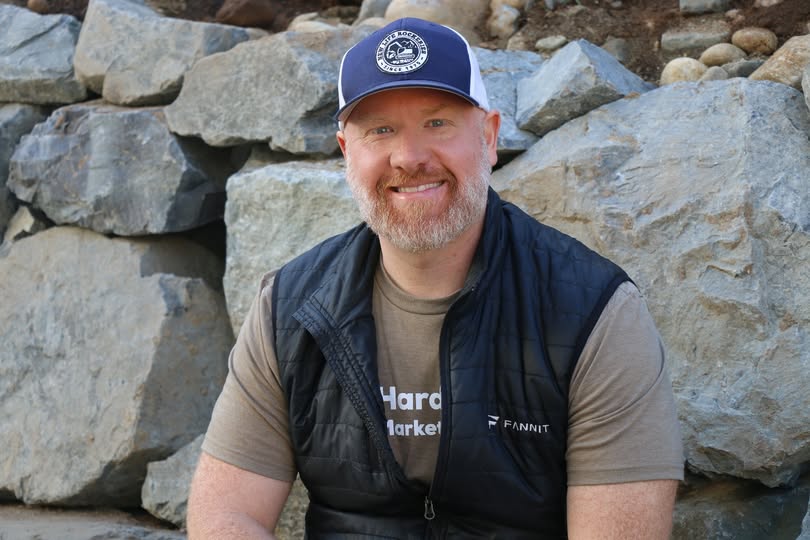
How Did Neal Neathery Transition from Football to Hardscaping Success?
Neal Neathery, a former professional football player turned hardscape entrepreneur, successfully transitioned his disciplined approach and strategic mindset into the hardscape industry, building a thriving business. His journey highlights how dedication and smart operational strategies can lead to significant growth, even in a new field.
How does a background in professional sports prepare you for scaling a hardscape business?
A background in professional sports instills discipline, strategic thinking, and resilience, which are crucial for navigating the challenges and opportunities of scaling a hardscape business effectively.
Neal Neathery shares how the rigorous training, strategic play-calling, and team dynamics he experienced in football provided a unique foundation for entrepreneurship in the hardscape sector. The ability to analyze situations, make quick decisions, and maintain composure under pressure are directly transferable skills that helped him overcome initial hurdles and build a robust business model.
What are the key strategies for effectively managing and scaling subcontractors in hardscaping?
Effective subcontractor management in hardscaping involves clear communication, performance-based agreements, and fostering long-term relationships to ensure quality and timely project completion.
Neathery emphasizes the importance of vetting subcontractors thoroughly and establishing clear expectations from the outset. He discusses implementing performance metrics and regular feedback loops to maintain high standards. HMC data shows that hardscape companies with well-defined subcontractor agreements and consistent communication achieve 25% higher project completion rates and client satisfaction scores. This approach minimizes delays and ensures that every project reflects the quality standards of the primary contractor.
How can hardscape businesses significantly boost their sales and client acquisition?
Boosting hardscape sales requires a multi-faceted approach combining targeted marketing, efficient lead nurturing, and a streamlined sales process focused on client education and value.
Neal Neathery highlights the shift from traditional lead generation to a more sophisticated system that leverages digital marketing channels. He explains how optimizing online presence, utilizing high-converting landing pages, and implementing rapid lead follow-up can dramatically improve conversion rates. In our experience working with 50+ hardscape companies, those who adopt a structured sales pipeline and invest in professional sales training see an average increase of 30-40% in closed deals within the first year. This includes focusing on presenting clear value propositions and building trust with potential clients.
What operational efficiencies are crucial for scaling a hardscape company beyond initial growth?
Crucial operational efficiencies for scaling a hardscape company include systematizing processes, leveraging technology for project management, and empowering teams to take ownership of their roles.
Neathery discusses the importance of moving away from owner-dependent operations to a system where processes are documented and repeatable. This includes implementing project management software, automating administrative tasks, and providing continuous training for staff. By creating clear roles and responsibilities, businesses can reduce bottlenecks and improve overall productivity. This allows the business to handle a larger volume of projects without compromising quality or increasing overhead disproportionately.
What role does leadership play in fostering a culture of growth and accountability in a hardscape business?
Strong leadership is paramount in fostering a culture of growth and accountability, driving team motivation, and ensuring strategic alignment across all levels of a hardscape business.
Neal Neathery reflects on how his leadership style, honed on the football field, translates into motivating his hardscape team. He advocates for leading by example, setting clear goals, and creating an environment where team members feel valued and empowered to contribute. This culture of accountability ensures that everyone is working towards common objectives, fostering innovation and continuous improvement. Effective leadership is the bedrock upon which sustainable growth is built, encouraging proactive problem-solving and a commitment to excellence.
Frequently Asked Questions
What is the most important lesson Neal Neathery learned from football that applies to hardscaping?
Neal Neathery emphasizes that the discipline and strategic thinking from football were crucial. These skills enabled him to approach business challenges with a structured mindset, fostering resilience and effective decision-making in the competitive hardscape industry.
How did Neal Neathery manage to scale his business using subcontractors?
Neathery scaled his business by focusing on clear communication and performance-based agreements with subcontractors. He prioritized building strong, long-term relationships and implementing consistent feedback to ensure high-quality work and timely project completion.
What marketing strategies did Neal Neathery use to increase sales?
Neal Neathery boosted sales through targeted digital marketing, optimizing his online presence, and using high-converting landing pages. He also stressed the importance of rapid lead follow-up and a streamlined sales process to convert prospects into loyal clients.
What are some key operational tips for growing a hardscape business?
Key operational tips include systematizing all business processes and leveraging technology for project management. Empowering teams with clear roles and responsibilities also helps reduce bottlenecks and improves overall productivity, enabling sustainable growth.
How does Keith Eneix's background influence HMC's approach to hardscape marketing?
Keith Eneix's experience running a multi-seven-figure hardscape business before founding HMC provides a unique, insider perspective. This allows HMC to develop highly effective, industry-specific marketing strategies that resonate deeply with hardscape contractors' needs and challenges.