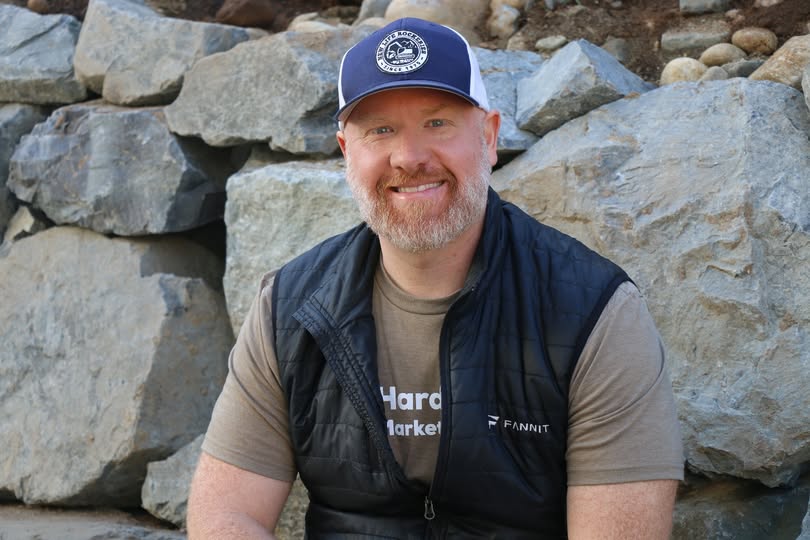
In the demanding world of hardscaping, where precision, efficiency, and client satisfaction are paramount, the strength of your team culture can be the ultimate differentiator. It\'s not just about laying pavers or building retaining walls; it\'s about fostering an environment where every team member feels valued, heard, and empowered to contribute to continuous improvement. A robust team culture directly impacts productivity, reduces turnover, and ultimately, drives profitability for hardscape contractors.
Why is a strong team culture essential for hardscape businesses?
A strong team culture in hardscape businesses fosters collaboration, boosts morale, and significantly improves operational efficiency, leading to higher quality projects and increased client satisfaction.
For hardscape contractors, a cohesive team isn\'t a luxury; it\'s a necessity. Projects often involve complex logistics, tight deadlines, and physically demanding work. When team members are aligned, communicate effectively, and share a common vision, these challenges become opportunities for growth rather than sources of friction. A positive culture reduces miscommunications, enhances problem-solving capabilities on-site, and ensures that everyone is working towards the same goal: delivering exceptional results for clients.
How can \'What\'s Dumb Around Here?\' meetings improve operational efficiency?
\'What\'s Dumb Around Here?\' meetings provide a structured forum for team members to identify and address inefficiencies, fostering a culture of continuous improvement and problem-solving from the ground up.
The concept of \'What\'s Dumb Around Here?\' (WDAH) meetings is simple yet profoundly effective. It\'s a dedicated time for your team to openly discuss processes, tools, or policies that are inefficient, frustrating, or simply don\'t make sense. Instead of top-down directives, these meetings empower those on the front lines – the crew members, foremen, and project managers – to voice their concerns and propose solutions. This approach not only uncovers hidden inefficiencies but also builds a sense of ownership and engagement among your staff. Based on our campaigns with hardscape contractors, businesses that actively solicit and act on team feedback see a 15-20% improvement in project turnaround times and a noticeable reduction in material waste.
What are the key steps to implementing effective team feedback meetings?
Implementing effective team feedback meetings involves establishing clear guidelines, ensuring psychological safety, documenting issues and solutions, and consistently following up on proposed changes to demonstrate value.
To make WDAH meetings successful, consider these steps:
- Set the Stage: Clearly explain the purpose of the meeting – it\'s not about blame, but about improvement. Emphasize that all feedback is welcome and valued.
- Ensure Psychological Safety: Create an environment where team members feel safe to speak up without fear of reprisal. Leadership must model openness and vulnerability.
- Structure the Discussion: While open-ended, having a facilitator can keep the conversation focused. Encourage specific examples rather than vague complaints.
- Document and Prioritize: Keep a running list of issues and potential solutions. Prioritize based on impact and feasibility.
- Assign Ownership and Follow-Up: Assign specific individuals to investigate or implement solutions. Regularly report back on progress to maintain momentum and trust.
How does HMC help hardscape contractors build high-performing teams?
HMC supports hardscape contractors in building high-performing teams by optimizing their marketing and sales funnels, which in turn attracts better talent and provides the resources for improved team development and operational efficiency.
While HMC primarily focuses on marketing and sales, our work directly impacts a hardscape company\'s ability to build and retain a great team. By generating high-quality leads and implementing efficient sales processes, we help contractors achieve consistent revenue growth. This financial stability allows businesses to invest in better training, offer competitive wages, and create a more attractive work environment. A thriving business, fueled by effective marketing, naturally attracts and retains top talent. Our three-phase system, for example, is designed to scale marketing efforts, freeing up owners to focus on internal operations and team development:
- Phase 1 (GBP + LSA, $1,500/mo): Establishes a strong local online presence, generating initial high-intent leads.
- Phase 2 (+ Meta Ads + landing pages, $3,500/mo): Expands reach and lead volume with targeted social media advertising and optimized conversion pathways.
- Phase 3 (full-stack, $7,500/mo): Implements a comprehensive marketing strategy, including advanced SEO, CRM automation, and reputation management, to maximize growth and operational efficiency.
Frequently Asked Questions
What is the primary benefit of a strong team culture in a hardscape business?
The primary benefit is enhanced operational efficiency and higher project quality. A strong culture fosters better communication, problem-solving, and overall team cohesion, which directly translates to successful project execution and client satisfaction.
How often should a hardscape company hold ‘What’s Dumb Around Here?’ meetings?
It is recommended to hold these meetings regularly, perhaps monthly or quarterly, depending on the size and complexity of your operations. Consistency is key to fostering a culture where team members feel their feedback is regularly sought and acted upon.
Can these meetings really lead to significant improvements?
Yes, absolutely. By empowering frontline employees to identify and propose solutions for inefficiencies, these meetings can uncover practical improvements that management might overlook. This bottom-up approach often leads to more effective and sustainable changes.
How does HMC’s marketing system support team development?
HMC’s marketing system drives consistent revenue growth, which provides the financial stability for hardscape businesses to invest in better training, competitive wages, and a more attractive work environment. This helps attract and retain top talent, supporting overall team development.
What if team members are hesitant to share feedback?
Building trust and psychological safety is crucial. Start by emphasizing that the meetings are for improvement, not blame. Leadership should actively listen, acknowledge concerns, and visibly act on feedback to demonstrate that contributions are valued and lead to positive change.